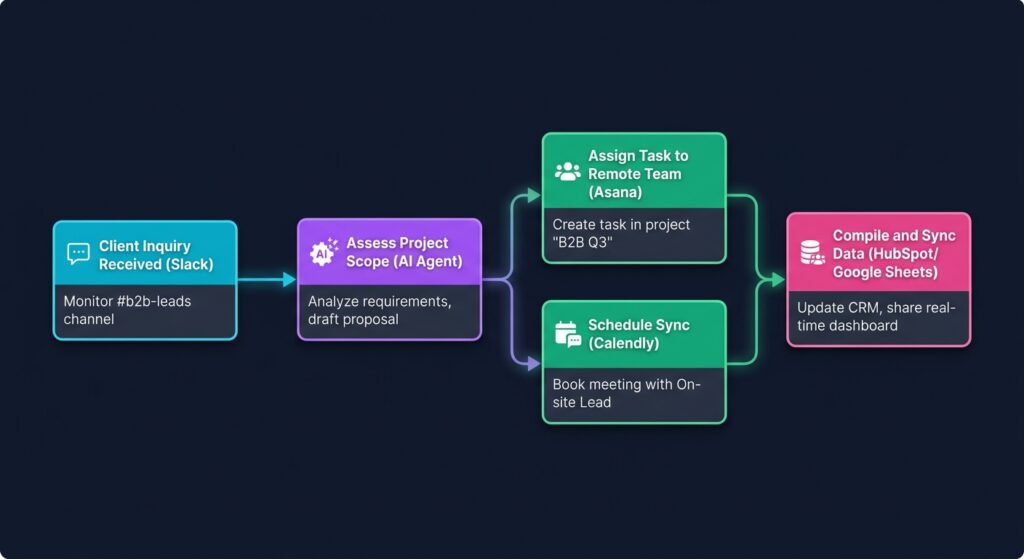
Securing Sensitive B2B Financial Data: Implementing Advanced Encryption & Access Controls in AI & Low-Code Automation


Securing Sensitive B2B Financial Data: Implementing Advanced Encryption & Access Controls in AI & Low-Code Automation
In today’s rapidly evolving digital landscape, safeguarding sensitive B2B financial data is paramount. As businesses increasingly leverage advanced technologies like Artificial Intelligence (AI) and low-code platforms for automation, the need for robust security measures, including sophisticated B2B financial data encryption and stringent access controls, becomes even more critical. This post delves into the essential strategies for protecting your organization’s most valuable financial assets within these powerful automation frameworks.
The Growing Threat Landscape for B2B Financial Data
The digital transformation has unlocked unprecedented efficiency and innovation, but it has also expanded the attack surface for cyber threats. B2B financial data, encompassing everything from transaction records and customer payment information to proprietary financial models and investment strategies, represents a prime target for malicious actors. Breaches can lead to devastating financial losses, reputational damage, regulatory penalties, and a loss of customer trust. The integration of AI and low-code automation, while beneficial, introduces new complexities in data security that demand proactive and advanced solutions.
Why Advanced Encryption is Non-Negotiable
Encryption is the cornerstone of data security. It transforms readable data into an unreadable format, rendering it useless to unauthorized parties. For B2B financial data, implementing advanced encryption protocols is not just a best practice; it’s a necessity.
1. End-to-End Encryption (E2EE) in Automation Workflows
When utilizing AI and low-code platforms to automate financial processes, ensuring data is encrypted from its point of origin to its final destination is crucial. E2EE guarantees that only the intended sender and recipient can decrypt and access the information. This is particularly vital for data transmitted between different systems, cloud services, or external partners involved in your automated workflows. Implementing E2EE within your AI and Business Automation solutions ensures that even if data is intercepted during transit, it remains unintelligible.
2. Data-at-Rest Encryption
Financial data stored in databases, cloud storage, or on local servers must also be protected. Data-at-rest encryption uses algorithms to scramble data while it’s stored. This protects against unauthorized physical access to storage devices or breaches of the storage infrastructure itself. For sensitive B2B financial information, employing strong encryption keys and regular key rotation policies is essential.
3. Key Management Best Practices
The effectiveness of encryption hinges on the security of the encryption keys. Robust key management practices, including secure storage, access control, and regular rotation of keys, are vital. Compromised keys render even the strongest encryption useless. Consider using Hardware Security Modules (HSMs) for managing highly sensitive encryption keys.
Implementing Robust Access Controls
Beyond encryption, controlling who can access your B2B financial data is equally important. A multi-layered approach to access control minimizes the risk of internal and external threats.
1. Role-Based Access Control (RBAC)
RBAC is a fundamental security mechanism that grants permissions based on user roles within the organization. Employees are assigned roles, and those roles are associated with specific access rights to financial data and systems. This ensures that individuals only have access to the information necessary for their job functions, adhering to the principle of least privilege. In AI and low-code automation platforms, meticulously define roles for data input, processing, and output to prevent unauthorized data manipulation or viewing.
2. Multi-Factor Authentication (MFA)
MFA adds an extra layer of security by requiring users to provide two or more verification factors to gain access. This typically includes something the user knows (password), something the user has (a token or phone), or something the user is (biometrics). Implementing MFA for all access points to sensitive B2B financial data, especially within your Web Development projects that handle financial transactions or data, significantly reduces the risk of account compromise.
3. Regular Access Audits and Reviews
Access privileges should not be static. Regularly auditing user access logs and reviewing assigned permissions is critical. This helps identify any anomalies, unauthorized access attempts, or outdated access rights that need to be revoked. Automated audit trails within your AI and low-code platforms can streamline this process.
4. Segregation of Duties
This principle ensures that no single individual has control over all aspects of a critical financial process. For example, the person who initiates a financial transaction should not be the same person who approves it or reconciles the accounts. Implementing segregation of duties within your automated workflows prevents fraud and errors.
Choosing the Right Automation Strategy for Data Security
When integrating AI and low-code automation into your financial operations, the choice of platform and implementation strategy significantly impacts data security. Both AI and low-code offer distinct advantages and considerations.
AI-Powered Automation: Precision and Predictive Security
AI excels at analyzing vast datasets, identifying patterns, and making intelligent decisions. In the context of financial data security, AI can be used for:
- Anomaly Detection: AI algorithms can monitor transaction patterns and user behavior in real-time to detect suspicious activities that might indicate fraud or a security breach.
- Predictive Threat Intelligence: AI can analyze global threat landscapes to predict potential vulnerabilities and proactively implement defenses.
- Automated Compliance Monitoring: AI can continuously monitor financial processes to ensure adherence to regulatory requirements, flagging any deviations.
However, AI systems themselves need robust security. Ensuring the integrity of the AI models, the data used for training, and the outputs generated is paramount. Secure coding practices for AI development and strict access controls for AI management interfaces are essential.
Low-Code Automation: Agility with Built-in Security Features
Low-code platforms enable rapid development of applications and workflows with minimal traditional coding. Many modern low-code platforms come with built-in security features, including:
- Pre-built Security Components: Features like user authentication, authorization modules, and data encryption capabilities are often integrated.
- Simplified Access Control Management: Visual interfaces make it easier to define and manage user roles and permissions.
- Automated Updates and Patching: Reputable low-code vendors often handle security updates and patching for their platforms, reducing the burden on your IT team.
While low-code offers agility, it’s crucial to ensure that the security configurations within the platform are correctly implemented and that custom integrations do not introduce vulnerabilities. Thorough testing and adherence to the platform’s security best practices are vital.
The BMAIKR Advantage: Integrated Security for Your Digital Future
At BMAIKR, we understand that the power of AI and low-code automation must be matched by uncompromising security for your B2B financial data. We integrate advanced encryption and stringent access controls into every solution we develop, ensuring your sensitive information remains protected.
Our Expertise in Action:
- Secure AI Implementations: We build AI solutions with security at their core, employing state-of-the-art encryption and access management for your financial data.
- Robust Web Development: Our web development services prioritize data security, incorporating encryption and access controls to protect financial transactions and user information.
- Strategic Digital Marketing: Even in marketing, data privacy is key. We ensure that any data collected through digital channels is handled with the utmost security and compliance.
We don’t just implement technology; we build secure digital foundations that empower your business growth. Whether you’re automating complex financial processes with AI or streamlining operations with low-code, BMAIKR ensures your data is protected every step of the way.
Conclusion: Proactive Security for Sustainable Growth
Securing B2B financial data in the age of AI and low-code automation requires a proactive, multi-faceted approach. By implementing advanced encryption techniques and robust access controls, businesses can significantly mitigate risks and build trust with their clients and partners. Understanding the unique security considerations of both AI and low-code platforms allows for the selection and implementation of the most effective strategies.
Don’t leave your sensitive financial data vulnerable. Partner with experts who prioritize security in every aspect of digital transformation.
Ready to secure your B2B financial data with cutting-edge AI and automation solutions? Contact BMAIKR today for a consultation and let us build a secure, efficient future for your business.