
Elevating B2B Customer Self-Service: Building AI-Powered Portals with WordPress, Supabase & RAG

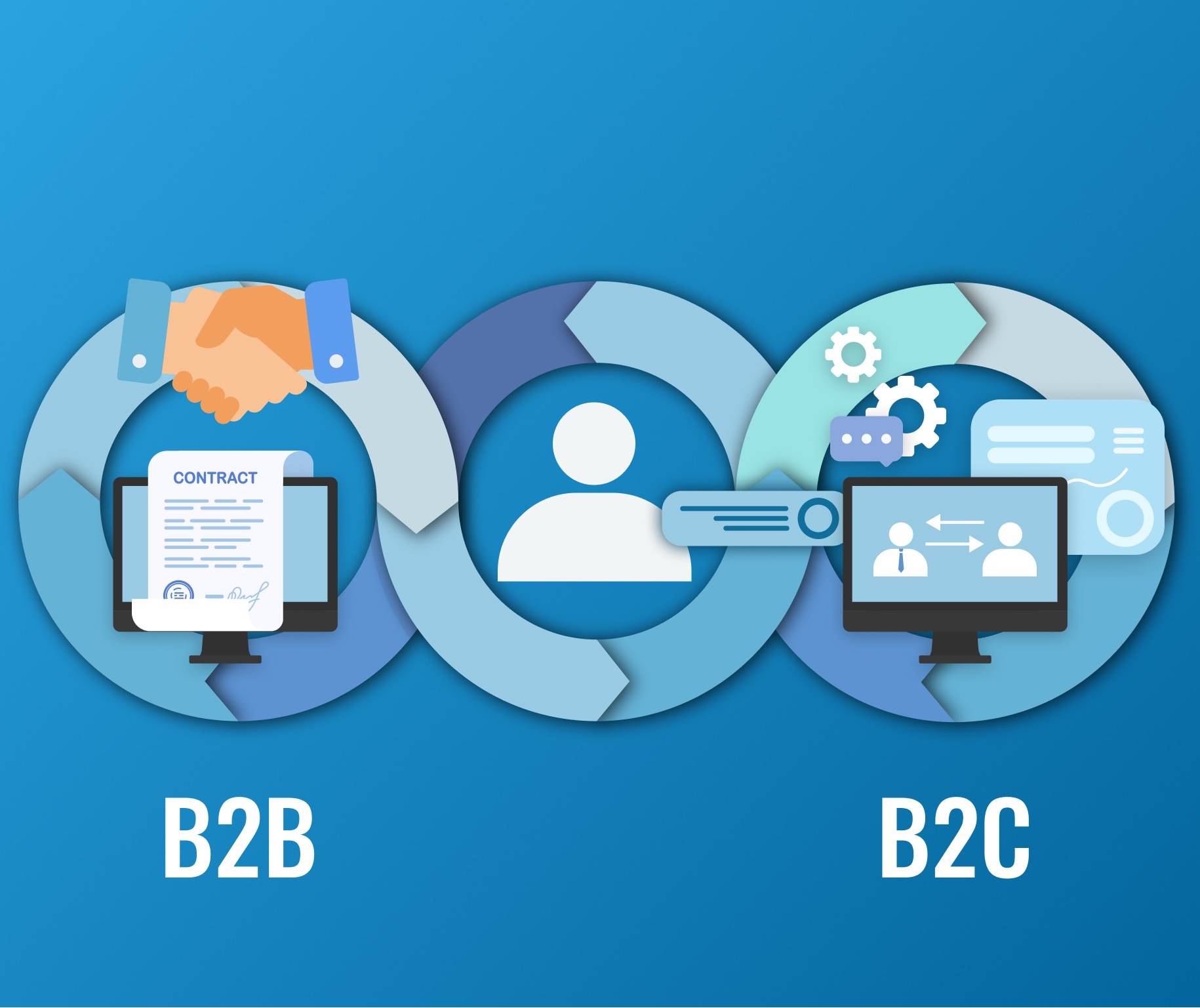
Elevating B2B Customer Self-Service: Building AI-Powered Portals with WordPress, Supabase & RAG
In today’s competitive B2B landscape, exceptional customer service isn’t just a differentiator; it’s a necessity. Businesses are constantly seeking ways to enhance customer satisfaction, streamline operations, and reduce support overhead. One of the most effective strategies to achieve this is by implementing robust customer self-service portals. This article delves into how you can build sophisticated, AI-powered B2B customer self-service portals using WordPress, Supabase, and Retrieval-Augmented Generation (RAG), transforming how your clients interact with your business.
The Evolving Landscape of B2B Customer Service
Gone are the days when a simple FAQ page was sufficient for B2B customer support. Modern B2B clients expect instant access to information, personalized assistance, and proactive solutions. They need to resolve issues quickly, access documentation, track orders, manage their accounts, and get answers to complex queries without waiting for a human agent. This demand for immediate, efficient, and intelligent support has driven the need for advanced self-service solutions.
Traditional self-service portals often fall short due to their static nature. They struggle to provide dynamic, context-aware answers to a wide range of customer inquiries. This is where the power of Artificial Intelligence, particularly with RAG, comes into play, offering a more intelligent and personalized experience.
Why AI-Powered Self-Service Portals are a Game-Changer
Integrating AI into your B2B customer self-service portal offers a multitude of benefits:
- 24/7 Availability: AI-powered portals provide instant support anytime, anywhere, improving customer satisfaction and reducing response times.
- Reduced Support Costs: By automating responses to common queries and tasks, you significantly lower the burden on your human support team, allowing them to focus on more complex issues.
- Enhanced Customer Experience: AI can offer personalized recommendations, proactive solutions, and a more intuitive user journey, leading to higher engagement and loyalty.
- Scalability: As your business grows, an AI-powered portal can handle an increasing volume of customer interactions without a proportional increase in staffing.
- Data-Driven Insights: AI can analyze customer interactions to identify trends, common pain points, and areas for product or service improvement.
The Technology Stack: WordPress, Supabase, and RAG
Building a powerful AI-powered portal requires a robust and flexible technology stack. We recommend a combination of:
WordPress: The Flexible Foundation
WordPress, renowned for its user-friendliness and extensive customization capabilities, serves as an excellent Content Management System (CMS) for your customer portal. Its vast ecosystem of plugins and themes allows for seamless integration of advanced features and a tailored user interface. For B2B portals, WordPress offers:
- User Management: Robust user roles and permissions to control access to sensitive information.
- Custom Post Types & Fields: Easily structure and display diverse content like knowledge base articles, product documentation, and support tickets.
- Extensibility: Integrate with numerous third-party services and APIs to enhance functionality.
- SEO Friendliness: Built-in SEO features and plugins to ensure your portal is discoverable.
Leveraging WordPress for your portal’s front-end and content management ensures a familiar and accessible experience for your clients, while also providing a powerful backend for administrators. For businesses looking to optimize their online presence and customer engagement, exploring advanced digital marketing strategies alongside a well-built portal is crucial.
Supabase: The Scalable Backend-as-a-Service
Supabase provides a powerful, open-source Firebase alternative, offering a suite of tools to build scalable applications. For your customer portal, Supabase can handle:
- Database: A PostgreSQL database to store all your customer data, support tickets, knowledge base content, and user information securely.
- Authentication: Secure user authentication and authorization, allowing customers to log in and access their personalized portal.
- Realtime Functionality: Implement real-time updates for ticket status, notifications, and collaborative features.
- Edge Functions: Deploy serverless functions to handle backend logic, API integrations, and data processing.
Supabase’s robust infrastructure ensures your portal can scale with your business needs, providing a reliable backend for all your self-service operations.
Retrieval-Augmented Generation (RAG): The Intelligent Core
RAG is a cutting-edge AI technique that combines the power of large language models (LLMs) with external knowledge bases. Instead of relying solely on the LLM’s pre-trained knowledge, RAG allows the model to retrieve relevant information from your specific business data (e.g., product manuals, support articles, past tickets) and then use that information to generate accurate and contextually relevant answers. This is crucial for B2B scenarios where specific, up-to-date, and proprietary information is key.
How RAG works in your portal:
- User Query: A customer asks a question through the portal.
- Information Retrieval: The system searches your indexed knowledge base (stored and managed via Supabase and potentially vector databases) for the most relevant documents or data snippets.
- Contextual Generation: The retrieved information is fed to an LLM along with the original query.
- Accurate Response: The LLM generates a precise, context-aware answer based on both its general knowledge and the specific information provided.
This approach ensures that the AI provides answers that are not only intelligent but also accurate and specific to your business and its offerings, significantly improving the quality of self-service.
Building Your AI-Powered Portal: A Step-by-Step Approach
Creating such a portal involves several key stages:
Phase 1: Planning and Design
- Define Objectives: Clearly outline what you want your portal to achieve (e.g., reduce ticket volume by X%, improve customer satisfaction scores, enable self-onboarding).
- Identify Key Features: List essential functionalities like knowledge base access, ticket submission/tracking, account management, order history, and AI-driven Q&A.
- Information Architecture: Plan how content will be organized and structured within the portal for easy navigation.
- User Experience (UX) Design: Create wireframes and mockups focusing on an intuitive and user-friendly interface.
Phase 2: Development and Integration
- WordPress Setup: Install and configure WordPress, selecting a suitable theme and essential plugins for user management and content display.
- Supabase Backend: Set up your Supabase project, design your database schema, and implement authentication.
- Content Ingestion: Populate your knowledge base with comprehensive and up-to-date information. This content will be indexed for the RAG system.
- RAG Implementation: Integrate an LLM (e.g., via API) and set up the retrieval mechanism. This might involve using vector databases to store embeddings of your knowledge base for efficient similarity search.
- API Integrations: Connect WordPress to Supabase and the AI services using APIs. This is where the magic happens – WordPress front-end calls Supabase for data and AI for intelligent responses.
Phase 3: Testing and Deployment
- Thorough Testing: Test all functionalities, including user authentication, content retrieval, AI response accuracy, and performance under load.
- User Acceptance Testing (UAT): Involve a pilot group of customers to gather feedback and identify any usability issues.
- Deployment: Launch your portal to your B2B clients.
Phase 4: Monitoring and Iteration
- Performance Monitoring: Track key metrics like usage, customer satisfaction, and support ticket deflection rates.
- AI Model Refinement: Continuously train and fine-tune your RAG model with new data and user feedback to improve accuracy and relevance.
- Content Updates: Regularly update your knowledge base to ensure information remains current.
Choosing the Right Path: Build vs. Buy
When considering an AI-powered customer self-service portal, businesses often face the decision of building a custom solution or opting for an off-the-shelf platform. Each approach has its merits:
Option 1: Building a Custom Solution (WordPress + Supabase + RAG)
Pros:
- Unparalleled Customization: Tailor every aspect of the portal to your unique business processes and brand identity.
- Full Control: Own your data and infrastructure, ensuring maximum security and flexibility.
- Integration Depth: Seamlessly integrate with existing internal systems and workflows.
- Scalability: Design for future growth and evolving needs.
Cons:
- Higher Initial Investment: Requires significant development resources and time.
- Technical Expertise: Demands skilled developers and ongoing maintenance.
- Longer Time-to-Market: Building from scratch takes longer than configuring an existing solution.
This option is ideal for businesses with specific, complex requirements, a strong in-house development team, or a strategic vision that demands a highly customized solution. For businesses focused on leveraging cutting-edge technology for competitive advantage, investing in custom AI and Business Automation solutions can yield significant long-term returns.
Option 2: Utilizing Off-the-Shelf Platforms
Pros:
- Faster Deployment: Get a functional portal up and running relatively quickly.
- Lower Initial Cost: Often subscription-based, reducing upfront investment.
- Managed Infrastructure: The vendor handles hosting, maintenance, and updates.
- Pre-built Features: Many platforms come with standard self-service features.
Cons:
- Limited Customization: May not perfectly fit unique business processes.
- Vendor Lock-in: Dependence on the provider’s roadmap and pricing.
- Integration Challenges: Integrating with existing systems can be complex or impossible.
- Data Security Concerns: Relying on a third party for sensitive customer data.
Off-the-shelf solutions are suitable for businesses with standard self-service needs, limited development resources, or a need for a quick solution. However, they may not offer the deep AI integration and customization that a custom build provides.
Why BMAIKR is Your Ideal Partner
At BMAIKR, we specialize in building bespoke digital solutions that drive business growth and enhance customer engagement. Our expertise in AI, Web Development, and Digital Marketing allows us to create sophisticated, AI-powered customer self-service portals that are:
- Intelligent: Leveraging RAG and advanced AI to provide accurate, context-aware answers.
- Scalable: Built on robust platforms like WordPress and Supabase to grow with your business.
- User-Centric: Designed with intuitive interfaces for an optimal customer experience.
- Integrated: Seamlessly connect with your existing systems and workflows.
- Secure: Prioritizing data security and compliance.
We understand the nuances of B2B interactions and the critical role of efficient customer support. Our team can guide you through every step, from initial strategy and design to development, deployment, and ongoing optimization. Whether you need a comprehensive AI solution, a custom-built web application, or a strategic digital marketing plan, BMAIKR has the expertise to deliver.
Conclusion
Implementing an AI-powered B2B customer self-service portal is no longer a luxury but a strategic imperative for businesses aiming to thrive in the modern market. By combining the flexibility of WordPress, the scalability of Supabase, and the intelligence of RAG, you can create a powerful tool that not only enhances customer satisfaction but also drives operational efficiency and reduces costs. This approach empowers your clients with instant, accurate, and personalized support, fostering stronger relationships and driving business success.
Ready to transform your B2B customer service?
Contact BMAIKR today to discuss how we can build a custom AI-powered self-service portal tailored to your unique business needs. Let us help you elevate your customer experience and gain a competitive edge.