Driving B2B Digital Transformation: Building an Internal Automation Center of Excellence

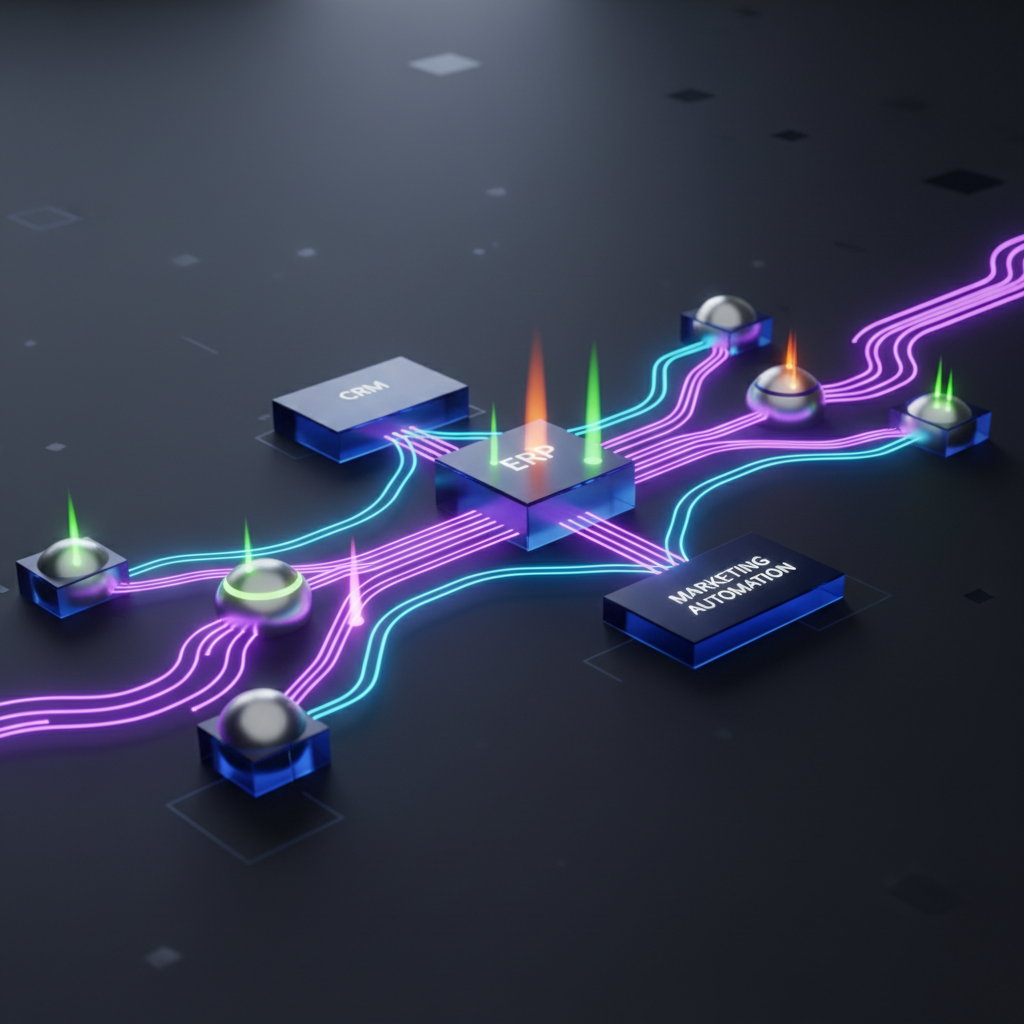
Driving B2B Digital Transformation: Building an Internal Automation Center of Excellence
In today’s rapidly evolving business landscape, digital transformation is no longer a buzzword; it’s a necessity for survival and growth. At the heart of this transformation lies automation, a powerful tool that can streamline operations, enhance efficiency, and unlock new opportunities. For B2B organizations aiming to harness the full potential of automation, establishing an internal Automation Center of Excellence (CoE) is a strategic imperative. This article delves into the critical aspects of building a robust B2B automation center of excellence strategy, exploring its benefits, key components, and how to implement it effectively.
What is an Automation Center of Excellence (CoE)?
An Automation Center of Excellence (CoE) is a dedicated team or function within an organization responsible for defining, governing, and scaling automation initiatives. Its primary goal is to ensure that automation efforts are aligned with business objectives, standardized, and deliver maximum value across the enterprise. For B2B companies, a CoE acts as a central hub for expertise, best practices, and governance, fostering a culture of continuous improvement and innovation through automation.
The Strategic Imperative for B2B Automation
B2B organizations face unique challenges, including complex sales cycles, intricate customer relationships, and the need for highly personalized service. Automation offers a powerful solution to these challenges by:
- Enhancing Operational Efficiency: Automating repetitive tasks in sales, marketing, customer service, and back-office operations frees up valuable human resources to focus on strategic, high-value activities.
- Improving Customer Experience: Personalized communication, faster response times, and proactive issue resolution, all powered by automation, lead to greater customer satisfaction and loyalty.
- Accelerating Digital Transformation: A CoE provides the framework and expertise to identify and implement automation opportunities across various departments, driving digital transformation at scale.
- Boosting Agility and Scalability: Automation allows B2B businesses to adapt quickly to market changes and scale their operations efficiently without a proportional increase in headcount.
- Driving Data-Driven Decisions: By integrating various systems and automating data collection and analysis, a CoE enables more informed and timely decision-making.
Key Components of a B2B Automation Center of Excellence Strategy
A successful B2B automation CoE strategy is built upon several foundational pillars:
1. Clear Vision and Governance
Define a clear vision for automation that aligns with the overall business strategy. Establish robust governance frameworks, including policies, standards, and procedures, to ensure that automation is implemented securely, ethically, and effectively. This includes defining roles and responsibilities, risk management protocols, and compliance measures.
2. Cross-Functional Team and Leadership
Assemble a dedicated team comprising individuals with diverse skill sets, including process analysis, technology expertise (AI, RPA, integration platforms), project management, and change management. Strong leadership sponsorship is crucial for driving adoption and overcoming resistance.
3. Technology Stack and Integration
Select the right automation technologies that fit the organization’s needs. This might include Robotic Process Automation (RPA), Artificial Intelligence (AI) for intelligent automation, Business Process Management (BPM) suites, and integration platforms. Ensuring seamless integration between these tools and existing systems is paramount. For instance, leveraging platforms like AI and Business Automation solutions can be a cornerstone of your technology stack.
4. Process Identification and Prioritization
Develop a systematic approach to identify, analyze, and prioritize automation opportunities. Focus on processes that are repetitive, rule-based, high-volume, and have a clear business impact. Tools and methodologies for process mapping and assessment are essential here.
5. Change Management and Training
Automation often involves significant changes to existing workflows and roles. A comprehensive change management strategy is vital to ensure employee buy-in, manage expectations, and provide adequate training. This includes clear communication about the benefits of automation and how it will impact employees’ roles.
6. Performance Measurement and Continuous Improvement
Establish key performance indicators (KPIs) to measure the success of automation initiatives. Regularly review performance, identify areas for improvement, and foster a culture of continuous learning and optimization. This feedback loop is critical for scaling automation effectively.
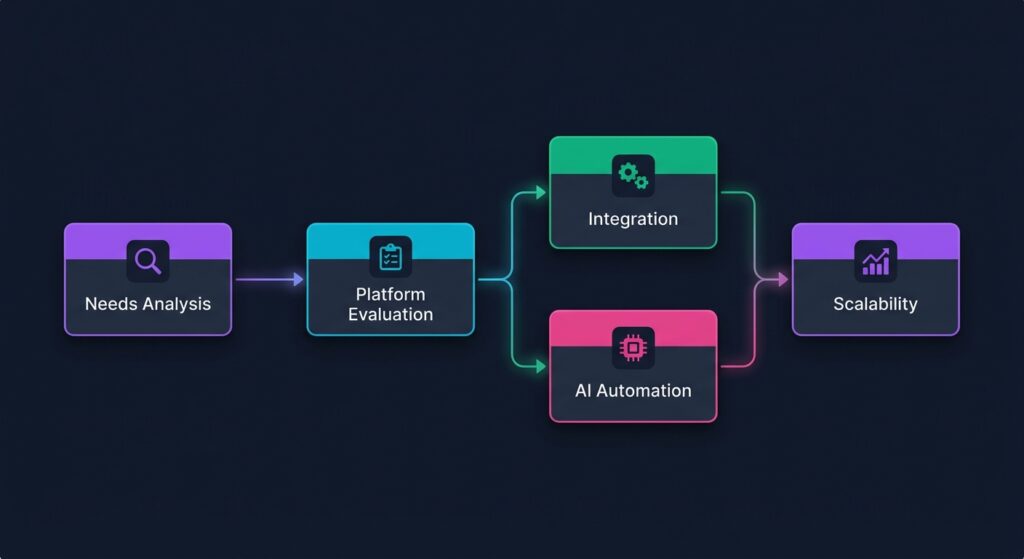
Building Your B2B Automation CoE: A Phased Approach
Implementing an Automation CoE doesn’t have to be an overnight endeavor. A phased approach can ensure smoother adoption and greater success:
Phase 1: Foundation and Pilot Projects
Start by establishing the core CoE team and governance framework. Identify a few high-impact pilot projects to demonstrate the value of automation and gain early wins. Focus on building foundational capabilities and refining processes.
Phase 2: Scaling and Standardization
Based on the success of pilot projects, begin scaling automation across the organization. Standardize technologies, methodologies, and best practices. Develop a pipeline of automation opportunities and establish a clear process for intake and execution.
Phase 3: Optimization and Innovation
Once automation is embedded in the organization, focus on optimizing existing automations and exploring more advanced capabilities, such as AI-driven automation and intelligent process automation. The CoE should become a hub for innovation, continuously seeking new ways to leverage automation for competitive advantage.
The BMAIKR Advantage: Empowering Your Automation Journey
At BMAIKR, we understand the transformative power of automation for B2B businesses. Our comprehensive suite of services in AI and Business Automation, coupled with our expertise in Web Development and Digital Marketing, positions us as your ideal partner in building a successful Automation Center of Excellence. We help you:
- Assess and Strategize: We work with you to understand your unique business needs and develop a tailored automation strategy.
- Implement and Integrate: Our experts implement robust automation solutions, ensuring seamless integration with your existing technology stack.
- Optimize and Scale: We provide ongoing support to optimize your automations and scale your CoE for maximum impact.
- Drive Digital Transformation: We empower your organization to achieve its digital transformation goals through intelligent automation.
Choosing the Right Path for Your B2B Automation
While establishing a dedicated Automation CoE is a highly recommended strategy for mature organizations, smaller or emerging businesses might consider alternative approaches initially:
Option 1: Phased CoE Implementation
This involves starting with a small, dedicated team that gradually expands its scope and responsibilities. It’s a scalable approach that allows organizations to build expertise and demonstrate value incrementally. This is often the most sustainable path for long-term success.
Option 2: Departmental Automation Champions
In this model, individuals within different departments are empowered and trained to identify and implement automation within their specific areas. While this can foster rapid adoption at a local level, it requires strong overarching governance to prevent silos and ensure alignment with broader business objectives. This approach can be a good starting point before formalizing a CoE.
Option 3: Outsourced Automation Services
For organizations that lack internal expertise or resources, partnering with an external provider like BMAIKR can be an effective solution. We can manage your automation initiatives, from strategy and implementation to ongoing maintenance and optimization, allowing you to leverage advanced capabilities without the overhead of building an in-house team from scratch. This can be particularly beneficial for specific projects or when rapid deployment is critical.
The best approach depends on your organization’s size, maturity, resources, and strategic priorities. Regardless of the path chosen, a clear vision, strong leadership, and a focus on business outcomes are essential for success.
Conclusion: Embrace Automation for Future-Proofing Your B2B Business
Building an internal Automation Center of Excellence is a strategic investment that can profoundly impact a B2B organization’s efficiency, competitiveness, and long-term success. By establishing clear governance, fostering cross-functional collaboration, leveraging the right technologies, and prioritizing change management, businesses can unlock the full potential of automation. Whether you choose to build a comprehensive CoE, empower departmental champions, or partner with experts, the journey towards intelligent automation is crucial for driving B2B digital transformation.
Ready to embark on your automation journey and drive significant digital transformation within your B2B organization? Contact BMAIKR today to discuss your specific needs and discover how our expert services can help you build a powerful Automation Center of Excellence.