Beyond Deployment: Mastering Proactive Monitoring & Maintenance for B2B Automation Workflows


Beyond Deployment: Mastering Proactive Monitoring & Maintenance for B2B Automation Workflows
In today’s fast-paced business landscape, the successful implementation of B2B automation workflows is no longer just about getting them up and running. The true measure of success lies in ensuring these intricate systems operate flawlessly, efficiently, and securely over the long term. This requires a strategic shift from reactive problem-solving to proactive monitoring and maintenance. Neglecting this crucial phase can lead to costly downtime, data inconsistencies, security vulnerabilities, and ultimately, a failure to realize the full potential of your automation investments. This article delves into the essential strategies for mastering proactive monitoring and maintenance for your B2B automation workflow, ensuring sustained operational excellence and a robust return on investment.
The Evolving Landscape of B2B Automation
Automation is no longer a luxury; it’s a necessity for businesses aiming to streamline operations, enhance customer experiences, and gain a competitive edge. From customer onboarding to intricate data synchronization between disparate systems, automated workflows are the backbone of modern efficiency. However, these workflows are dynamic. They interact with external APIs, evolving software versions, changing user behaviors, and fluctuating data volumes. Without diligent oversight, even the most robust automation can falter.
Why Proactive Monitoring is Non-Negotiable
Reactive maintenance is akin to waiting for a car to break down before fixing it. It’s inefficient, expensive, and disruptive. Proactive monitoring, on the other hand, allows you to anticipate issues before they impact your business. It’s about building a system that not only performs its intended function but also alerts you to potential problems, allowing for timely intervention.
Key Benefits of Proactive Monitoring:
- Minimized Downtime: Early detection of errors or performance degradation prevents significant disruptions to business operations.
- Enhanced Performance: Continuous monitoring helps identify bottlenecks and areas for optimization, ensuring workflows run at peak efficiency.
- Improved Data Integrity: Spotting data discrepancies or integration failures early safeguards the accuracy and reliability of your business data.
- Strengthened Security: Monitoring for unusual activity or access patterns can help detect and prevent security breaches.
- Cost Savings: Addressing minor issues before they escalate into major problems significantly reduces repair and recovery costs.
- Better Resource Allocation: Understanding workflow performance allows for more informed decisions about resource allocation and future development.
Essential Components of a Robust Monitoring Strategy
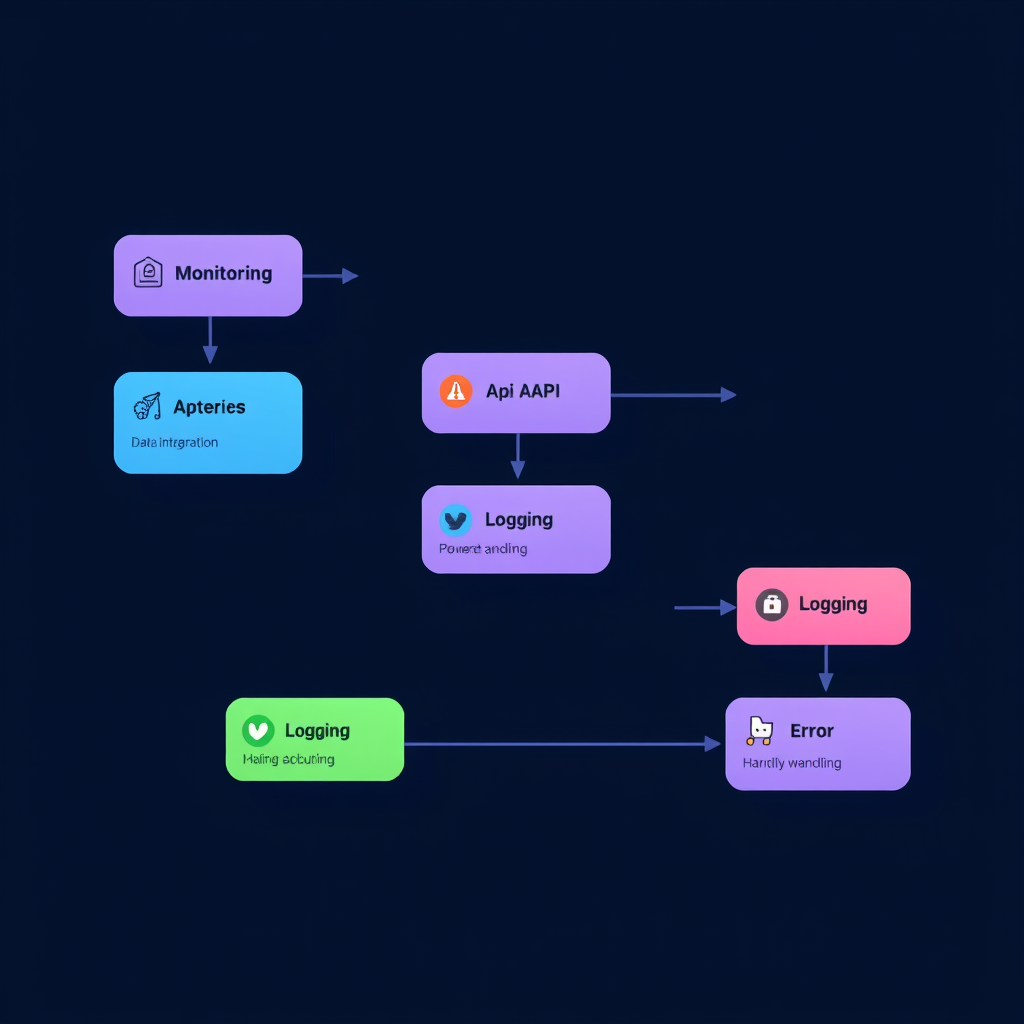
A comprehensive monitoring strategy involves several key components, each contributing to the overall health and performance of your B2B automation workflows. At BMAIKR, we understand that a one-size-fits-all approach doesn’t work. Our expertise in AI and Business Automation allows us to tailor monitoring solutions to your specific needs.
1. Performance Metrics Tracking
Define and track key performance indicators (KPIs) relevant to your automation. These might include:
- Execution Time: How long does each step and the entire workflow take?
- Success/Failure Rates: What percentage of tasks complete successfully?
- Throughput: How many transactions or data points are processed per unit of time?
- Error Frequency: How often do specific errors occur?
- Resource Utilization: CPU, memory, and network usage associated with the automation.
2. Error Logging and Alerting
Implement detailed error logging for every stage of your workflow. Crucially, set up an intelligent alerting system that notifies the right people immediately when critical errors occur. This system should be configurable to avoid alert fatigue, distinguishing between minor glitches and critical failures.
3. Integration Health Checks
B2B automation often relies on integrating multiple systems and third-party APIs. Regularly check the health and responsiveness of these integrations. Are APIs returning errors? Is data being exchanged correctly? Automated health checks can proactively identify issues with external dependencies.
4. Security Monitoring
Monitor for any unusual access patterns, unauthorized attempts, or deviations from normal operational behavior. This is particularly important for workflows handling sensitive data. Regular security audits and vulnerability assessments are also part of a proactive approach.
5. Data Validation and Reconciliation
Ensure that data flowing through your automation remains accurate and consistent. Implement checks to validate data formats, ranges, and integrity. Reconciliation processes can help identify discrepancies between systems that the automation interacts with.
Proactive Maintenance: Keeping Your Workflows Shipshape
Monitoring provides the insights; maintenance is the action taken to ensure continued optimal performance. Proactive maintenance goes beyond fixing what’s broken; it involves regular upkeep and strategic updates.
1. Regular Audits and Reviews
Schedule periodic reviews of your automation workflows. Are they still aligned with business objectives? Are there opportunities for improvement or simplification? Audits help ensure that your automation remains relevant and efficient.
2. Software and Dependency Updates
Keep all underlying software, libraries, and dependencies up-to-date. Outdated versions can introduce security vulnerabilities or compatibility issues. Plan and test updates carefully to avoid disrupting existing workflows.
3. Performance Tuning and Optimization
Based on monitoring data, identify and address performance bottlenecks. This could involve optimizing code, improving database queries, or re-architecting parts of the workflow for better efficiency.
4. Documentation and Knowledge Management
Maintain clear, up-to-date documentation for all your automation workflows. This is invaluable for troubleshooting, maintenance, and onboarding new team members. A well-documented system is easier to manage and evolve.
5. Disaster Recovery and Business Continuity Planning
While not strictly maintenance, having robust disaster recovery and business continuity plans in place is crucial for any critical automated system. This ensures that you can quickly restore operations in the event of a catastrophic failure.
Choosing the Right Tools and Expertise
Implementing effective monitoring and maintenance requires the right tools and, often, specialized expertise. The complexity of your B2B automation will dictate the sophistication of the tools you need. From built-in logging and alerting features within automation platforms to dedicated Application Performance Monitoring (APM) tools and custom-built dashboards, the options are vast.
When to Build vs. Buy
For simpler workflows, the native capabilities of your automation platform might suffice. However, as your automation landscape grows in complexity, you might consider:
- Dedicated Monitoring Software: Tools like Datadog, New Relic, or Prometheus offer advanced capabilities for tracking metrics, logging, and alerting across diverse systems.
- Custom Dashboards: Building custom dashboards using business intelligence tools can provide a centralized, visual overview of your automation’s health.
- Specialized AI/ML Tools: For highly complex scenarios, AI-powered anomaly detection can identify subtle issues that traditional methods might miss.
The BMAIKR Advantage: Expertise in Automation and Digital Transformation
At BMAIKR, we don’t just build and deploy automation; we ensure its long-term success. Our team of experts possesses deep knowledge in developing, monitoring, and maintaining complex B2B automation workflows. Whether you’re leveraging cutting-edge AI for business process optimization or require robust web development to support your digital infrastructure, we provide end-to-end solutions. We understand the critical importance of uptime, data integrity, and security. Our approach integrates proactive monitoring and maintenance from the design phase, ensuring your automation investments deliver sustained value.
Making the Choice: Proactive vs. Reactive
The decision between a proactive and reactive approach to automation management is clear. While reactive maintenance addresses immediate problems, it’s a costly and inefficient strategy that leaves your business vulnerable. Proactive monitoring and maintenance, conversely, is an investment in stability, efficiency, and long-term success.
The Case for Proactive:
- Predictive Power: Identify and resolve issues before they impact users or operations.
- Cost-Effectiveness: Prevent expensive downtime and emergency fixes.
- Operational Resilience: Build trust and reliability in your automated processes.
- Strategic Advantage: Free up resources to focus on innovation rather than firefighting.
The Risks of Reactive:
- Unpredictable Downtime: Business operations can halt unexpectedly.
- Escalating Costs: Emergency fixes and data recovery are expensive.
- Reputational Damage: Inconsistent service can harm customer trust.
- Missed Opportunities: Time and resources spent on crises detract from growth initiatives.
Conclusion: Invest in the Longevity of Your Automation
Deploying B2B automation workflows is a significant step towards operational efficiency. However, the journey doesn’t end at deployment. Mastering proactive monitoring and maintenance is paramount to realizing the full, sustained benefits of your automation strategy. By implementing robust monitoring systems, conducting regular maintenance, and leveraging expert insights, you can ensure your workflows remain reliable, secure, and performant, driving continuous growth and innovation for your business.
Ready to ensure your B2B automation workflows are not just functional, but future-proof? Contact BMAIKR today to discuss our comprehensive monitoring and maintenance solutions. Let us help you unlock the full, lasting potential of your automation investments.